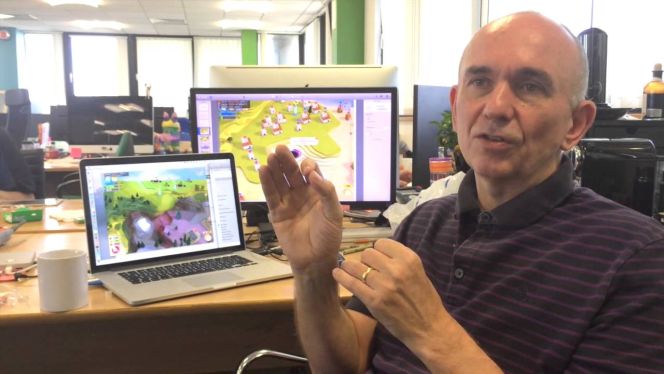
In 2012, Peter Molyneux, the legendary mind behind Populous, Dungeon Keeper, and Fable, stood on stage at GDC and promised a revolution. With Godus, his Kickstarter-backed god game, he claimed to deliver “the ultimate in player freedom,” a digital universe where every decision reshaped a living, breathing world. It raised £500,000—over 500% of its goal. But what followed wasn’t innovation. It was disillusionment, broken trust, and financial loss for many who believed in the myth.
This isn’t just about a failed game. It’s about the real people—backers, investors, developers, and publishers—who staked money, time, and credibility on Molyneux’s vision, only to be left with empty promises and evaporated funds.
The Kickstarter Backers Who Funded a Dream
Crowdfunding platforms like Kickstarter thrive on trust. Backers don’t just buy a product—they buy a promise. In Godus’s case, that promise was monumental: procedural worlds spanning millions of years, AI-driven civilizations, multiplayer god battles, and a mechanic where players could shape terrain with finger-swipes on mobile.
Over 12,000 backers pledged, many giving hundreds of dollars for exclusive rewards—signed art, beta access, even a chance to name in-game elements. Some backers in higher tiers paid over £1,000, expecting ownership of a revolutionary experience.
But the delivered product—when it finally arrived—was a stripped-down, minimalist pixel art simulation with no multiplayer, no deep AI, and no resemblance to the demo shown at launch. Worse, stretch goals were quietly dropped without refunds.
People like James Holloway, a UK-based indie developer and early backer, spoke out publicly. “I believed in Molyneux not just as a designer, but as a visionary,” he said in a 2015 blog post. “But Godus felt like bait-and-switch. I lost £300, but more importantly, I lost faith in crowdfunding.”
For thousands of backers, this wasn't just about money. It was about betrayal. They didn't just lose cash—they lost trust in the integrity of game development's most charismatic storyteller.
22cans: The Studio That Bet Everything on One Game
Founded in 2012 after Molyneux left Lionhead Studios, 22cans was built around Godus. It wasn’t just a project—it was the company’s entire identity. And with that came investment.
Private investors, including angel backers from the tech and gaming sectors, poured early capital into 22cans, expecting Godus to be a flagship title that would not only recoup costs but generate long-term revenue through expansions and mobile licensing.
But development dragged on for years. The initial Godus mobile release in 2013 was a barebones prototype. The PC version, delivered through Steam Early Access, remained in a near-beta state for over three years. Features promised in the Kickstarter campaign—like the “worlds within worlds” mechanic—were never implemented.
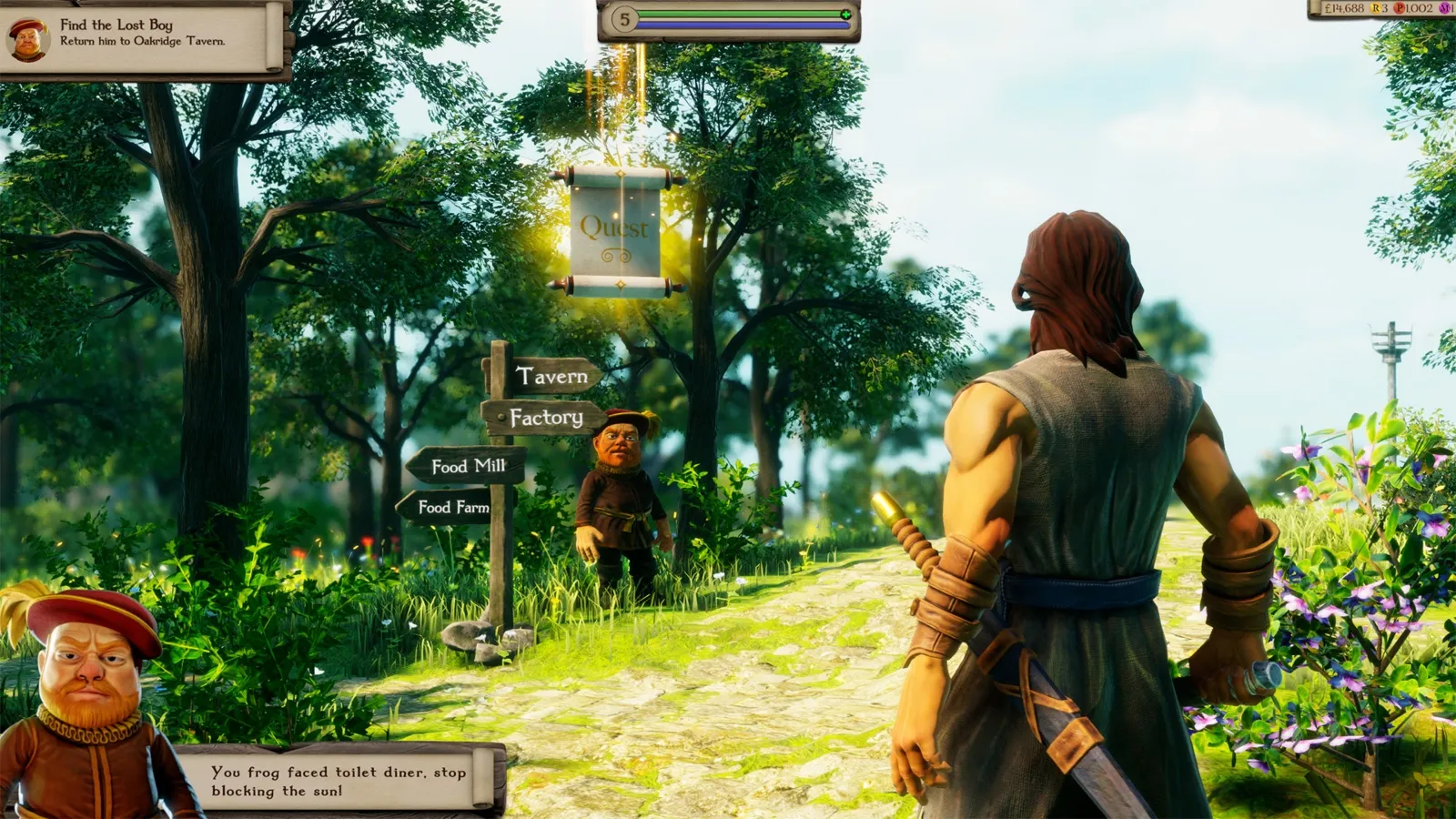
By 2017, 22cans had laid off most of its staff. The company pivoted to mobile fitness apps and ambient games, a far cry from the god-sim epic it once promised. The financial toll? Estimates suggest over £2 million was spent developing Godus with negligible return.
One former 22cans employee, speaking anonymously, said: “We were told we were making history. Instead, we were polishing a demo for three years while the budget burned.”
Microsoft and Lionhead: The Corporate Fallout
Long before Godus, Molyneux’s name carried weight at Microsoft. After acquiring Lionhead Studios in 2006, Microsoft bankrolled Fable sequels, banking on Molyneux’s reputation to compete with franchises like The Elder Scrolls.
But behind the PR veneer, Molyneux had a pattern—overpromising in interviews and underdelivering at launch. Fable II and Fable III were profitable but critically panned for broken mechanics and unmet promises (like the claim that “your choices matter” when, in reality, consequences were shallow).
When Fable: The Journey—a Kinect-only rail shooter—was released in 2012, it was seen as a betrayal of the franchise’s core. Sales underperformed, and Microsoft shut down Lionhead Studios in 2016.
While not solely Molyneux’s fault, his tendency to oversell contributed to brand erosion. Microsoft lost tens of millions in studio maintenance, marketing, and development costs tied to underperforming Molyneux-led projects.
One former Lionhead producer noted: “Peter would promise features in interviews we hadn’t even prototyped. Marketing would build campaigns around them. Then we’d have to scramble—cut scope, delay, or ship broken systems. The cost wasn’t just financial—it was cultural.”
Mobile Investors Who Backed the Wrong Vision
After Godus’s failure, Molyneux and 22cans pivoted to mobile. In 2018, they released Curiosity 2, a spiritual successor to the 2012 viral experiment where players tapped a cube to reveal a message. The original Curiosity raised eyebrows for its exploitative monetization—players paid to keep tapping.
Curiosity 2 attempted to blend psychology and data collection, promising insights into human behavior through gamified interaction. Investors in mobile tech saw potential in behavioral analytics and poured seed funding into the project.
But the app flopped. User retention was low. Data output was messy and commercially useless. The promised “revolution in player psychology” never materialized.
Venture firms like London-based Playfair Capital and Seedcamp, which had shown early interest, walked away. One investor, who wished to remain anonymous, said: “We thought Molyneux was adapting to mobile. Instead, he was repeating old mistakes—selling a dream with no roadmap.”
The loss wasn’t just in direct funding. It was in opportunity cost—teams, time, and capital diverted from viable mobile projects to chase a fading star.
The Modders and Community Creators Who Gave Free Labor
A lesser-known group of losers in Molyneux’s legacy: the modders, YouTubers, and fan developers who built content around his games, often for free.
With Fable, a thriving mod community emerged. Players created custom quests, textures, and even total conversions. Some spent hundreds of hours, believing Lionhead would support mod tools in future releases.
They didn’t. And when Lionhead closed, those communities were abandoned. Projects died. Creators lost motivation—and in some cases, lost income from Patreon or ad revenue tied to Fable content.
One prominent modder, known online as “FableForge,” spent over two years building a full-scale fan sequel. “I thought there’d be a new Fable game. I wanted to keep the spirit alive. When 22cans pivoted to fitness apps, I realized I’d wasted years on a dead franchise.”
This intangible loss—time, passion, creative energy—is rarely counted in financial ledgers, but it’s real. And it’s part of Molyneux’s shadow.
Why Molyneux’s Legacy Still Hurts the Industry
Molyneux wasn’t a fraud. He was a visionary trapped in a cycle of self-hype. His ideas were often brilliant—procedural worlds, emotional AI, emergent storytelling—but his flaw was speaking about them as if they were already real.
This eroded trust in developer communication. Publishers became wary of bold claims. Crowdfunding backers grew skeptical. The “Molyneux Effect” entered gaming slang—a warning label for any designer prone to overpromising.
More dangerously, it gave bad actors cover. When scammy Kickstarter campaigns promise AI-driven universes or “the next Fable,” they echo Molyneux’s tone. His real legacy may not be the games he made, but the culture of unchecked hype he normalized.
Lessons from the Fallout: What Players and Investors Can Learn
- Separate Vision from Delivery
- A great idea isn’t a great product. Evaluate teams, track records, and shipping history—not just demos.
- Be Wary of Charismatic Founders
- Molyneux’s charm opened doors and wallets. But personality doesn’t ship code. Look for quiet executors, not loud visionaries.
- Stretch Goals Are Often Illusions
- Most never ship. Assume they’re marketing, not commitments.
- Early Access Isn’t a Guarantee
- Godus was in Early Access for years. If a game isn’t progressing after 18 months, cut your losses.
- Protect Your Creative Investments
- If you’re a modder or content creator, diversify. Don’t tie your passion to a single franchise with unstable leadership.
The Human Cost Behind the Hype
Peter Molyneux still works in gaming. He’s not gone. But the people who lost money, time, and trust because of his unmet promises aren’t always so resilient.
Backers who maxed out credit cards. Developers who turned down other jobs to join 22cans. Investors who bet on a name, not a plan.
They weren’t just players in a failed venture—they were believers in a dream that never arrived. And while Molyneux may still dream big, the cost of those dreams was paid by others.
If there’s a lesson in this, it’s this: in gaming, as in life, the most dangerous thing isn’t failure—it’s the illusion of certainty sold as innovation.
Move forward—but verify. Believe—but demand proof. Support vision—but protect your stake.
Because the next big promise might sound just like the last one that broke everything.
FAQ
What should you look for in The Players Who Lost Millions on Peter Molyneux’s Broken Promises? Focus on relevance, practical value, and how well the solution matches real user intent.
Is The Players Who Lost Millions on Peter Molyneux’s Broken Promises suitable for beginners? That depends on the workflow, but a clear step-by-step approach usually makes it easier to start.
How do you compare options around The Players Who Lost Millions on Peter Molyneux’s Broken Promises? Compare features, trust signals, limitations, pricing, and ease of implementation.
What mistakes should you avoid? Avoid generic choices, weak validation, and decisions based only on marketing claims.
What is the next best step? Shortlist the most relevant options, validate them quickly, and refine from real-world results.